How to Optimize Content for AI Search Engines in 2026

Search is changing fast. Traditional SEO is no longer enough. In 2026, AI-powered search engines are transforming how users discover information online. Instead of showing only a list of links, AI search systems now generate direct answers, summaries, recommendations, and conversational responses.
If your content is not optimized for AI search, your website could lose visibility, traffic, and leads.
This guide explains how to optimize your content for AI search engines and stay ahead in the future of digital marketing.
1.What Are AI Search Engines?
AI search engines use artificial intelligence and large language models to understand user intent and generate answers in a conversational format.
- Google AI Overviews
- OpenAI search experiences
- Microsoft
- Perplexity AI
Unlike traditional search engines that focus heavily on keywords, AI search prioritizes:
- Context
- Relevance
- Authority
- User intent
- Structured information
Why AI Search Optimization Matters
AI-generated answers often appear before organic search results. This means users can get answers without clicking multiple websites.
Businesses that optimize for AI search can:
- Increase brand visibility
- Build authority
- Gain more qualified traffic
- Improve trust and engagement
- Future-proof their SEO strategy
10 Ways to Optimize Content for AI Search Engines
1. Focus on Search Intent, Not Just Keywords
AI search engines understand natural language better than ever.
Instead of stuffing keywords into your content, focus on answering real user questions clearly and directly.
Example:
Instead of targeting:
- “best SEO tips”
Create content like: - “What are the best SEO strategies for small businesses in 2026?”
Use conversational language and write naturally.
2. Create Helpful, In-Depth Content
AI systems prefer content that provides genuine value.
Your articles should:
- Solve problems
- Answer follow-up questions
- Include examples
- Offer actionable insights
- Be easy to understand
Long-form content often performs better because it covers topics comprehensively.
Aim for: - 1,500–3,000 words for pillar articles
- Clear subheadings
- FAQs
- Structured formatting
3. Use Question-Based Headings
AI search engines frequently pull answers from pages with question-focused headings.
Good Examples:
- What Is AI SEO?
- How Does AI Search Work?
- Why Is Structured Data Important?
This improves your chances of appearing in AI-generated summaries.
4. Optimize for Featured Snippets
AI search engines often rely on concise answers.
Include:
- Definition
- bullet points
- Numbered lists
- Tables
- Short answer paragraphs
Example Format:
What is AI SEO?
AI SEO is the process of optimizing content to improve visibility in AI-powered search engines and generative search experiences.
Keep definitions short and clear.
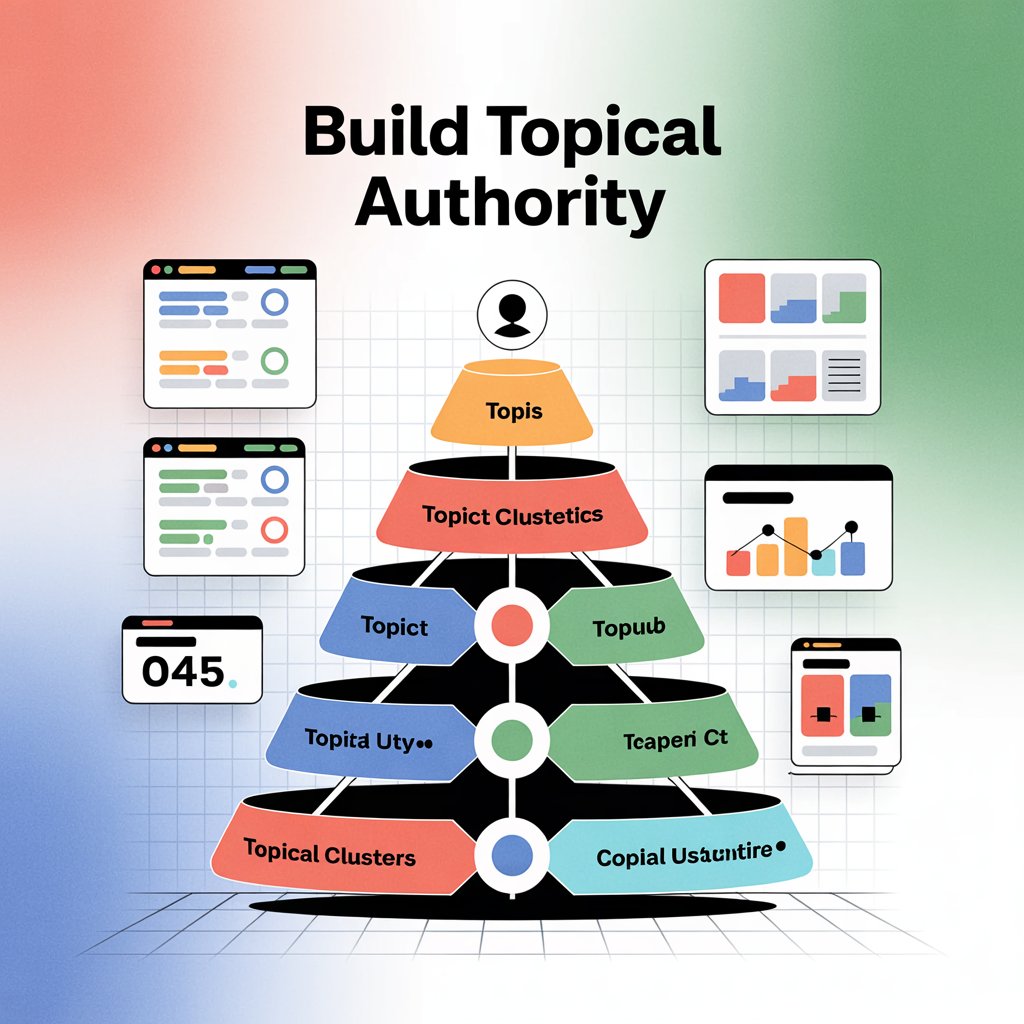
5. Build Topical Authority
Publishing one article is not enough.
AI search engines favor websites that consistently cover a topic in depth.
Create topic clusters around:
- SEO
- Content marketing
- AI tools
- Social media marketing
- Email marketing
Internal linking helps AI systems understand your expertise.
6. Add Structured Data
Structured data helps AI systems understand your content better.
Use schema markup for:
- FAQs
- Articles
- Products
- Reviews
- Local businesses
Popular schema types include:
- FAQ Schema
- Article Schema
- How-To Schema
This improves your chances of rich search results.
7. Improve Content Readability
AI search engines prioritize user experience.
Make your content:
- Easy to scan
- Mobile-friendly
- Visually clean
- Fast-loading
Use:
- Short paragraphs
- Bullet points
- Clear headings
- Simple language
Avoid unnecessary jargon.
8. Demonstrate Experience and Expertise
Modern AI search systems evaluate credibility.
Show:
- Real examples
- Case studies
- Author expertise
- Original insights
- Statistics and references
This supports Google’s E-E-A-T principles:
- Experience
- Expertise
- Authoritativeness
- Trustworthiness
9. Optimize for Voice and Conversational Search
Voice searches are becoming more common with AI assistants.
People search differently when speaking.
Typed Search:
“AI SEO tools”
Voice Search:
“What are the best AI SEO tools for beginners?”
Write content in a conversational tone to match natural speech patterns.
10. Keep Content Fresh and Updated
AI search engines prefer updated information.
Refresh your content regularly by:
- Updating statistics
- Adding new trends
- Improving examples
- Expanding sections
Content freshness improves rankings and relevance.
Common Mistakes to Avoid
Keyword Stuffing
Overusing keywords reduces readability and can hurt rankings.
Thin Content
Short, low-value articles are less likely to appear in AI-generated results.
Ignoring User Experience
Slow websites and poor mobile optimization impact visibility.
Publishing Generic AI Content
AI-generated content without originality or expertise performs poorly.
The Future of SEO Is AI-Driven
SEO is evolving into a more intelligent, user-focused strategy.
Winning in AI search requires:
- Helpful content
- Strong expertise
- Clear structure
- User-first writing
- Consistent topical authority
Businesses that adapt early will have a major competitive advantage.

We help businesses with:
- AI SEO optimization
- Content strategy
- Blog writing
- Technical SEO
- Local SEO
- Lead generation
- Social media marketing
📩 Contact us today for a free digital marketing consultation and discover how AI-driven SEO can grow your business in 2026.
Ready to Grow Your Business Online?
Hi, I’m Riswan Shemsudheen — a digital marketer helping businesses build strong online presence through modern SEO, AI-powered content strategies, social media marketing, and performance-driven campaigns.